Your Information Resource for Vintage Baseball Cards
Old Cardboard eMagazine Issue #185       2026 Annual Update


Welcome to Old Cardboard, the most complete reference resource for information about collecting vintage baseball cards and related memorabilia.  More information about this eMagazine and its companion website is found at the bottom of this page.

Contents:
1. Updated Auction and Show Calendar
2. Set Profile: 1915 Postaco Stamps
3. 1953 Canadian Exhibits: Made in the U.S.A.
4. 1933 E285 Rittenhouse: The last of the E-Cards
5. Recent Additions to the OldCardboard.com Website
6. News Briefs (A Digest of Recent Hobby Happenings)


1. Updated Auction and Show Calendar

The following is a summary of vintage card events scheduled for the balance of this year. For the most current updates of additional vintage card shows and auctions, see the Key Events Calendar, accessible directly from the home page of the Old Cardboard website. Note that dates are the closing day for auctions and the active days for all shows.

Have an event that needs to be on the OC Calendar?
Email editor@oldcardboard.com
July 2026
1Austin, TX Old Cardboard eMagazine Release (Issue #185; website).
10-11Dallas, TX Heritage Sports Auction (see website for details).
14Phone/Internet Hunt Auctions (see website for details).
15Phone/Internet Clean Sweep Auctions (see website for details).
18Internet Brockelman Auctions (see website for details).
19Phone/Internet Sterling Sports Auctions (see website for details).
26Phone/Internet SCP Auctions (see website for details).
7/29-8/2Rosemont, IL National Sports Collectors Convention (website).
August 2026
6Phone/Internet Sterling Sports Auctions (see website for details).
8Internet Love of the Game Auction (see website for details).
15Phone/Internet Leland's Catalog Auction (see website for details).
16Phone/Internet Robert Edward Auctions (see website for details).
September 2026
20Phone/Internet Robert Edward Auctions (see website for details).
24Phone/Internet Sterling Sports Auctions (see website for details).
25-27Oaks, PA Philly Show (see website for details).
October 2026
14Phone/Internet Clean Sweep Auctions (see website for details).
18Phone/Internet Robert Edward Auctions (see website for details).
25Phone/Internet Collector Connection Auction (see website for details).
November 2026
5Phone/Internet Sterling Sports Auctions (see website for details).
28Internet Love of the Game Auction (see website for details).
December 2026
15Phone/Internet Leland's Catalog Auction (see website for details).
6Phone/Internet Robert Edward Auctions (see website for details).
11-13Oaks, PA Philly Show (see website for details).
26Phone/Internet Sterling Sports Auctions (see website for details).


2. Set Profile: 1915 Postaco Stamps

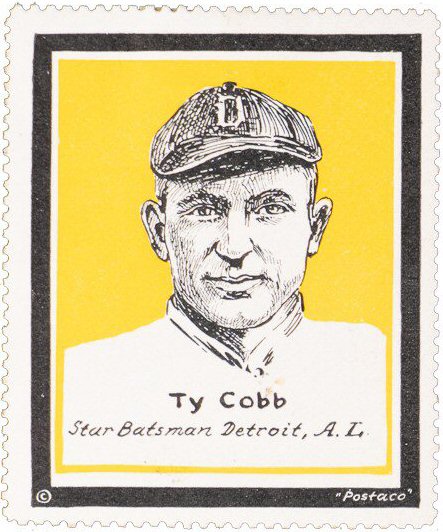
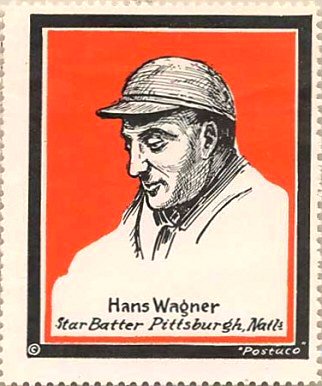
Postaco Stamp Examples

Yellow BG

Red BG

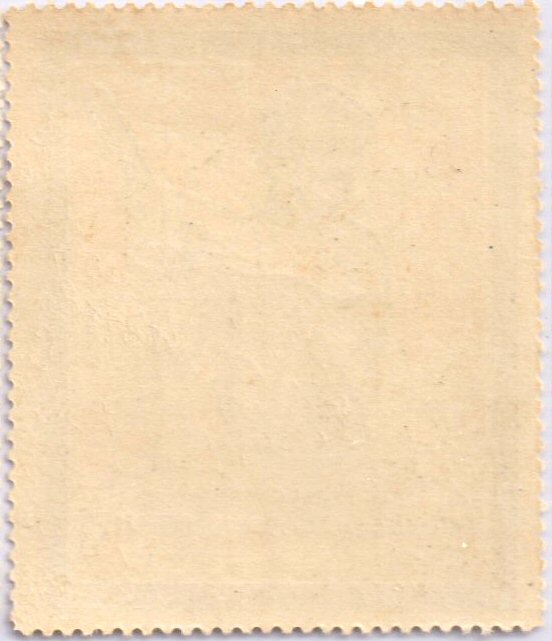
Typical Back
This set was copyrighted by "Postaco," the identity of which is currently unknown among collectors. The set is unnumbered, blank-backed, and not listed in the American Card Catalog.

The stamps were printed as black and white drawings with backgrounds in one of two colors: Red and Yellow.

Surrounding a black and white player image on each stamp is a black frame inside a white border. The player's name, key baseball position and team are printed below his portrait. A copyright sign is located within the black frame in the lower left corner, and the word "Postaco" in the lower right. Each individual stamp is nearly square and measures 2 inches tall by 1-3/4 inches wide.

The complete set includes 36 baseball players plus an unknown number of non-sports subjects. Based on several one-of-a-kind sheets known for the set, the perforated sheets were printed five stamps wide by four stamps tall.

The yellow background sheets were arranged three players (stamps) wide by four players (stamps) tall on the sheet. Twenty of the 24 red background stamps were printed all on one sheet. The four remaining red-background players were printed in one column of four stamps arranged vertically on a separate sheet, along with other non-sport subjects.

Of considerable interest to many vintage baseball card collectors is the fact that four of the players in the Postaco set were members of the short-lived Federal League, and are labeled as such on the stamps. The four players are: Chief Bender (HOF, Baltimore Terrapins), Max Flack (Chicago Whales), Claude Ray Hendrix (Chicago Whales) and Joe Tinker (HOF, Chicago Whales).


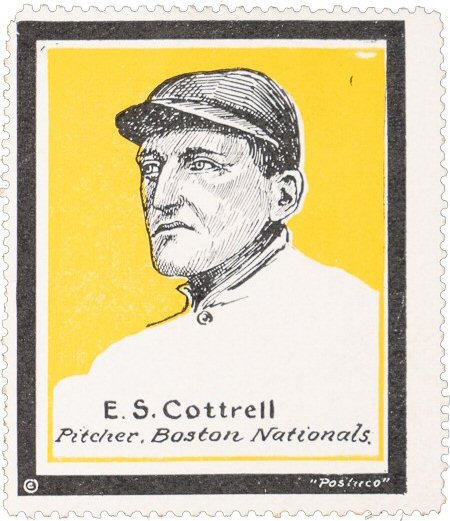
Cottrell
Setting new records: One obscure player in the set has a particularly absorbing story, as told by Lew Lipset in his Old Judge Newsletter (Issue #29; February, 1990). According to Lipset, pitcher E. S. Cottrell played for five teams in his five year MLB career. For each of the first four teams (years 1911 through 1914), he pitched just one game. For his fifth team, the Yankees in 1915, he pitched 7 games, before retirement.

Cottrell's Postaco stamp places him with the Boston Braves, where he played in 1914. This suggests that the Postaco set may have been produced over a two year period--1914 and 1915, rather than the 1915 date generally accepted by the hobby.

what is value of r318 batter up premium foxx Note: A Set Profile, Player Checklist and Gallery of Cards for the 1915 Postaco Stamps are provided on the Old Cardboard website.


OC eMagazine Sponsor


3. 1953 Canadian Exhibits: Made in the U.S.A.


Although generally referred to as "Canadian Exhibits," most of the cards in this 64-player series are marked "Made in U.S.A." There is, however, a high concentration of players (39%) in the set that were members of the Montreal Royals of the International League.

All other players in the set were Major Leaguers. At that time, the Royals were a farm team for the Brooklyn Dodgers. The Canadian Exhibits are not listed in the American Card Catalog.

The key to collecting the set is the card of Joe DiMaggio, both because of his superstar status and due to the reported short printing of his card. Altogether, there are a total of 13 Hall of Fame players in the set, including a Hall of Fame rookie card for two of them (Alston and LaSorda).

With a few exceptions, the 64-card set features full body poses of the players. The blank-backed cards are borderless, numbered, and were distributed in arcade "Exhibit" vending machines well known to vintage collectors in the United States.

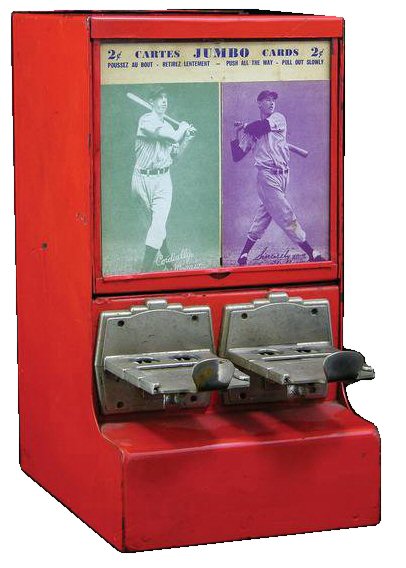
An example vending machine set up to dispense the Canadian Exhibit cards is pictured here. The title and instructions for use are printed above the example cards in both French and English. Note that, in English, instructions to the user were: "Push all the way -- Pull out slowly." Cards could be purchased for 2 cents each.

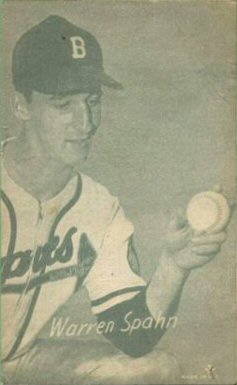
The set can be conveniently divided into two subsets of 32 cards each, based on printing tint color, card number labeling and player selection and labeling.

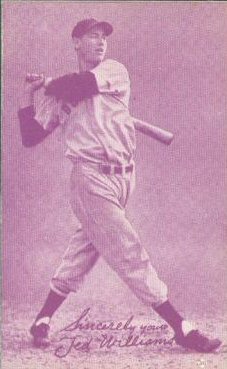
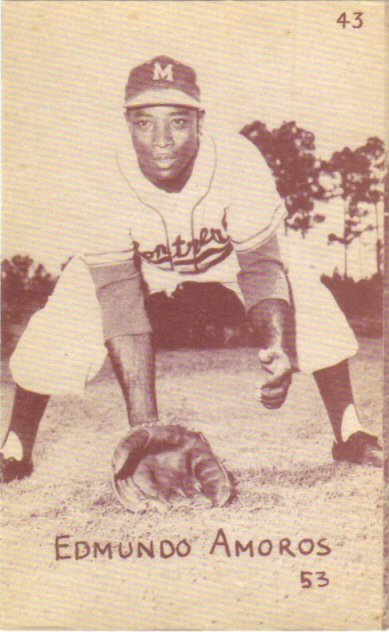
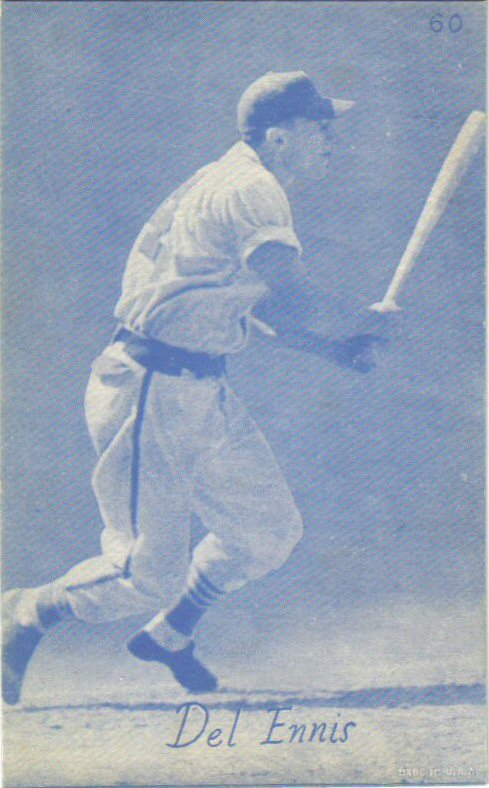
The Low Number Subset (cards numbered 1 through 32) are printed in tints of both purple and green. The card numbers are located in the bottom right corner of the card, printed in very small type inside a small baseball diamond. Player names on low number cards are mostly printed in script.

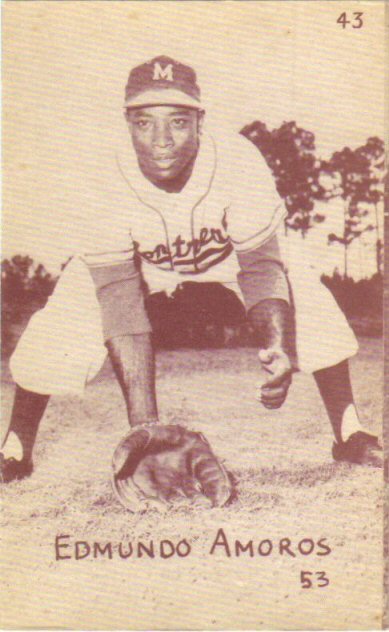
The High Number Subset (cards numbered 33 through 64) are printed in tints of blue and reddish brown. Card numbers much larger and bolder, and located at top right. Cards for all 25 Montreal players are contained in the high number set, with player names labeled in bold block-style lettering. Also, the set issue date of 1953 is noted with a "53" printed on the cards for all Montreal players.

The table below summarizes these differences.

Low Numbers (1-32) High Numbers (33-64)

Purple

Green

Red-Brown

Blue
Tiny card numbers at bottom Larger numbers at top right
MLB Players Only 25 Montreal Royals Players
Player Names mostly Script Player Names mostly Block Letters

Overall, this is an obscure set of many dimensions and popular among (especially Canadian) collectors.

Note: A Set Profile for the 1953 Canadian Exhibit cards is provided on the Old Cardboard website.


4. 1933 E285 Rittenhouse: The last of the E-Cards


Designed as a deck of 52 playing cards, this set was produced by Rittenhouse Candy Company of Philadelphia--hence the nickname for the series. It is designated as set E285 in the American Card Catalog, Produced in 1933, it is generally considered by collectors to be the last of the caramel (E-card) issues.

The small player image on each card is framed in either a heart, diamond, club, or spade. In addition, the player's name is printed across the bottom of the card. Despite the playing card theme, however, it might prove difficult to use a deck in a game of five card draw, for they measure only about 1-7/16 x 2-1/4 inches.

Card fronts have been found printed in one of three basic ink colors: red, green and blue (see examples at right). Although not common, cards printed on slightly tinted cardstock (green, yellow, etc.) are also known.

The complete 52-card Rittenhouse set includes images of only 46 different players. That is because six players (Frankie Frisch, Don Hurst, Babe Ruth, brothers Lloyd and Paul Waner, and Hack Wilson) are each featured twice in the series.

The backs of the Rittenhouse cards are used to promote two similar but different contests for the collector. The most common of these is the "Letter on Back" promotion. A similar but much less common contest is also promoted using numbers instead of letters. Each contest also includes card back variations that describe the contest and list redemption prizes. Each of these contests are described in further detail below.

"Letter on Back" Contest

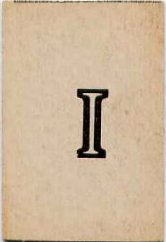
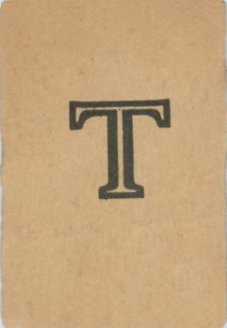
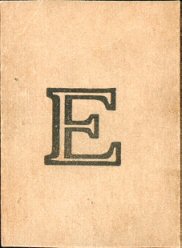
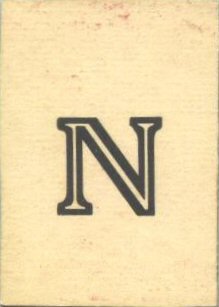
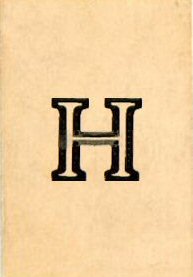
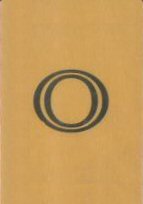
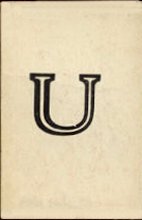
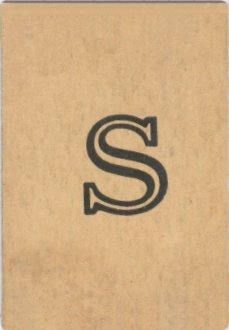
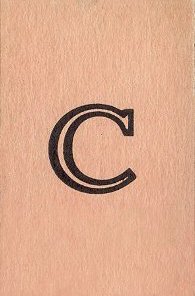
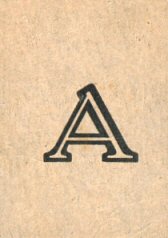
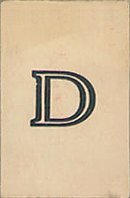
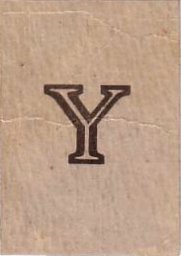
The "Letter on Back" contest features a single capital letter on the back of each card that, when combined with other cards, is used to spell out the promoter's name, "Rittenhouse Candy Co." Thus, a completed Letter-on-Back series would display as shown here:
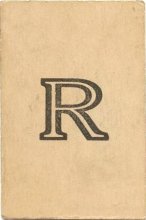
R I T T E N H O U S E
   
  C A N D Y   C O

Full disclosure: Backs with the letter "H" are known to have been short printed for the E285 set. Because we do not have an example for the "H-back" card, we digitally created the one used here. Although not original, we believe it is within a pixel or so of those that were originally produced.

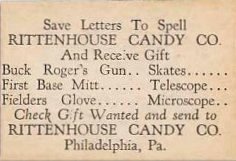
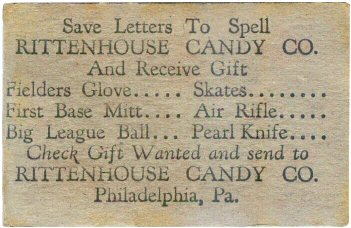
Two variations of the Letter on Back cards are also found that describe the contest, list the redemption prizes, and tell the collector where to send the completed series of card backs.
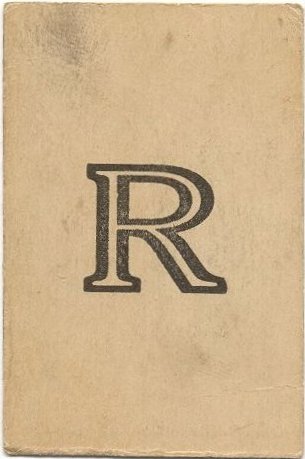
Letter Back

Letter Back Variation 1

Letter Back Variation 2
As seen, the variation backs each offer the collector one of six prizes (with some overlap). Consumers are instructed to check the desired prize and mail the complete series to the company's headquarters in Philadelphia to receive the prize.

"Number on Back" Contest

As indicated earlier, a second contest using numbers rather than letters on the card backs, was also produced. However, the population of Number Back cards is much smaller in today's hobby. Aside from using numbers, this second contest offered a nicer prize (a complete Base Ball Uniform).

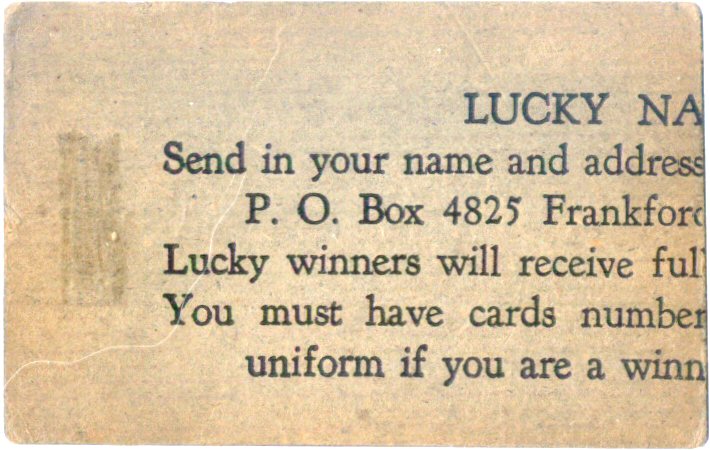
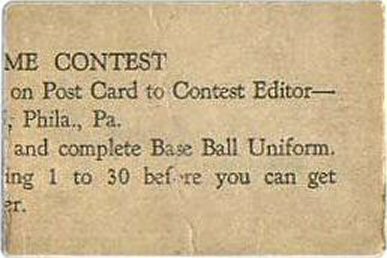
As with the Letter Back cards, the Number Back contest rules were detailed on the backs of two variation backs, both of which had to be collected to be able to join together to read the full rules (see scans below).

It was also much more difficult to win in the Number Back contest, since the consumer first had to send the company a postcard with his or her name and address to qualify for a drawing. The lucky winner(s) of the drawing were then required to show that they had collected all 30 numbers to be awarded the uniform.
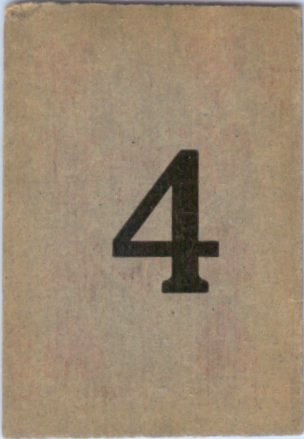

Number Back

Number Back Variations (Left and Right)

There is no indication that the cards from either of the two contests were ever canceled and returned to the collector, which may at least partially explain the relative scarcity of the Rittenhouse cards today.

Many Questions Remain

Despite all we have learned about the Rittenhouse card set, there are many questions that remain unresolved.

Unlike many other sets, for example, it is not at all clear how the cards were packaged and distributed. There is little evidence that they were cut from candy boxes, so were they packed inside the box with the candy product? The lack of stains on the vast majority of cards today indicates they were not.
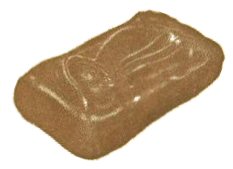

Joanna Walnut Chews
Further, we cannot associate any specific Rittenhouse product with the cards. We know that the company manufactured several different candy products, but only have an image of one of them, identified as "Joanna Walnut Chews" (see image at right). However, it is not at all certain that this was the candy distributed with the E285 cards, or if perhaps the cards were distributed separately from any specific candy product.

Beginning around 1930, the company operated as a regional partnership between businessmen Sol Block and Sidney Blumenthal, trading under the official name Rittenhouse Candy Company.

By the mid-to-late 1930s, the company's promotional tactics caught the attention of federal regulators. The Federal Trade Commission (FTC) began a crackdown across the United States on lottery-style candy marketing aimed at children.

On November 24, 1937, the FTC brought an enforcement proceeding against Sol Block and Sidney Blumenthal. Rather than fighting the government, the partners accepted an uncontested decree of affirmance, which was officially enforced by the Third Circuit Court of Appeals in Philadelphia on January 5, 1938. This regulatory shift effectively brought an end to the aggressive, prize-based marketing campaigns that had defined the company's beginnings, leading Rittenhouse Candy to fade from the retail market shortly thereafter.

Note: A Set Profile, Player Checklist and Gallery of Cards for the 1933 E285 Rittenhouse Candy cards is provided on the Old Cardboard website.


5. Recent Additions to the OldCardboard.com Website

We are continually expanding the Old Cardboard website with more set profiles, checklists and card galleries. Some of the additions completed over the past year include:

Set Profiles have been added for:
1871 Peck & Snyder Color Plates
1884 H807-2 Polka Dot Nine Cabinets
1886 N48 Girl Baseball Players
1886 H807-1 Black Stocking Nine Cabinets
1888 N508 Women Baseball Players
1922 Lion Brand Shirts (Ruth Flipbook)
1923 Baltimore Shirt (KC Blues Fold-out)
1935-37 George Burke Photo Stamps (Small)
1915 Postaco Stamps
1950 R423 Miniature Gum Ball Cards
1953-54 Peloteros (Cuban; matchbox covers)
1955 UM9-1 Rawlings Gloves -- Stan Musial
1955 W605 & UM8 Robert Gould All Stars Cards
1953 Canadian Exhibits

Set Checklists have been added for:
1871 Peck & Snyder Color Plates
1886 N48 Women Baseball Players
1888 N508 Women Baseball Players
1922 W461 Exhibits
1923 Baltimore Shirt (KC Blues Fold-out)
1925 Anonymous Postcards
1931 Blue Ribbon Malt Cubs/White Sox
1932 Charles Denby Cigars
1934 U1 Diamond Matchbooks
1935-36 U3-1 Diamond Matchbooks
1936 Diamond Matchbook U4 (Team on Back)
1935-37 George Burke Photo Stamps (Small)
1910 T100 Honest Tobacco "Silhouettes"
1915 Postaco Stamps
1940-42 Editorial Bruguero "Sportsmen"
1949-50 Cuban Alerta Premiums
1950 R423 Miniature Gum Ball Cards (Checklist of Players)
1950 R423 Miniature Gum Ball Cards (Checklist of Strips)
1955 UM9-1 Rawlings Gloves -- Stan Musial
1955 W605 & UM8 Robert Gould All Stars Cards
1953 Canadian Exhibits

Set Galleries have been added for:
1871 Peck & Snyder Color Plates
1884 H807-2 Polka Dot Nine Cabinets
1886 N48 Women Baseball Players
1888 N508 Women Baseball Players
1909-10 German Baseball Stamps
1912 Baseball Bats (4 cards added; gallery now complete)
1922 W461 Exhibits
1923 Baltimore Shirt (KC Blues Fold-out)
1925 Anonymous Postcards
1931 Blue Ribbon Malt Cubs/White Sox
1932 Charles Denby Cigars
1915 Postaco Stamps
1940-42 Editorial Bruguero "Sportsmen"
1950 R423 Miniature Gum Ball Cards (gallery of strips)
1955 UM9-1 Rawlings Gloves -- Stan Musial
1953 Canadian Exhibits

Updating the website with checklists and full set galleries for additional vintage sets is an ongoing project, so check back often to check out the latest additions. There are now many thousands of card images on the website and the list continues to grow every month. We welcome and encourage feedback with checklist additions, images of cards missing from our galleries, error corrections and suggestions. Please send all feedback to editor@oldcardboard.com.

Beyond the above pages recently added to the Old Cardboard website, we continue to expand and refine our eBay Custom Search Links to make finding vintage baseball cards on eBay easier than ever. The results of these searches are continuously changing, so check back often to find the most recent eBay listings. Samples of a few of these custom searches are provided below. Hundreds more are provided on the Set Profile pages throughout the Old Cardboard website.

R-Cards (Topps)
Magic Photo/Hocus Focus
1951 Topps Gum
1952 Topps Gum
1953 Topps Gum
1954 Topps Gum
1955 Topps Gum
1956 Topps Gum
1957 Topps Gum
1958 Topps Gum

T-Cards
T3 Turkey Reds
T200 Fatima (Team)
T201 "Double Folders"
T202 Hassan Triple Folders
T203 Mayo BB Comics
T204 Ramly
T205 Gold Borders
T206 White Borders
T207 Brown Background


6. News Briefs (A Digest of Recent Hobby Happenings)

Recent Price Markdowns at the Old Cardboard Store. If you haven't browsed the Old Cardboard Store lately, now may be a good time to do so. We have recently reduced pricing for many items in the store and will continue to do so. Meanwhile, new items will continue to be added as part of a multi-year down- sizing of the Old Cardboard vintage card collection acquired over the past 35 years.


Lyman and Brett Hardeman
Old Cardboard, LLC.

Old Cardboard LLC. was established in December 2003 to help bring information on vintage baseball card collecting to the hobbyist.  Produced by collectors for collectors, this comprehensive resource consists of three components: (1) Old Cardboard Magazine (currently on hold after printing 34 Issues), (2) a companion website at www.oldcardboard.com and (3) this eMagazine. The Old Cardboard website contains well over 1000 pages of descriptive reference information for baseball card sets produced fifty years ago or longer.  Each of the set summaries has a direct set-specific link to auctions and a similar link to 's powerful search engine for further research.  The website also includes a Show and Auction Calendar, an eBay Top 50 Vintage Sellers List, and much more.  As a result, the Old Cardboard website makes a great "Alt-tab" companion for vintage card shoppers and researchers.  Each Old Cardboard eMagazine provides three or four articles about vintage baseball card sets or related memorabilia, current hobby news, upcoming shows and auctions, and updates to the website.  It is published quarterly around the middle of the last month of each quarter.  For a FREE subscription to the eMagazine, please visit the website at www.oldcardboard.com.  If you find this information resource helpful, please tell your friends.  We need your support and your feedback. Thank you.



Old Cardboard sponsors make up the Who's Who of the vintage card hobby.
They're Awesome!


Diamond Sponsors

(Go to website)
Platinum Sponsors

(Go to website)

(Go to website)
Gold Sponsors

(Go to website)

(Go to website)

(Go to website)

(Go to website)

(Go to website)
Silver Sponsors

(Go to website)
Bronze Sponsors

(Go to website)

Note To Our Readers:
The support of the above sponsors enables us to continue to expand Old Cardboard's online info resources. We appreciate their support and hope
that you do also.


* * *


(Go to website)